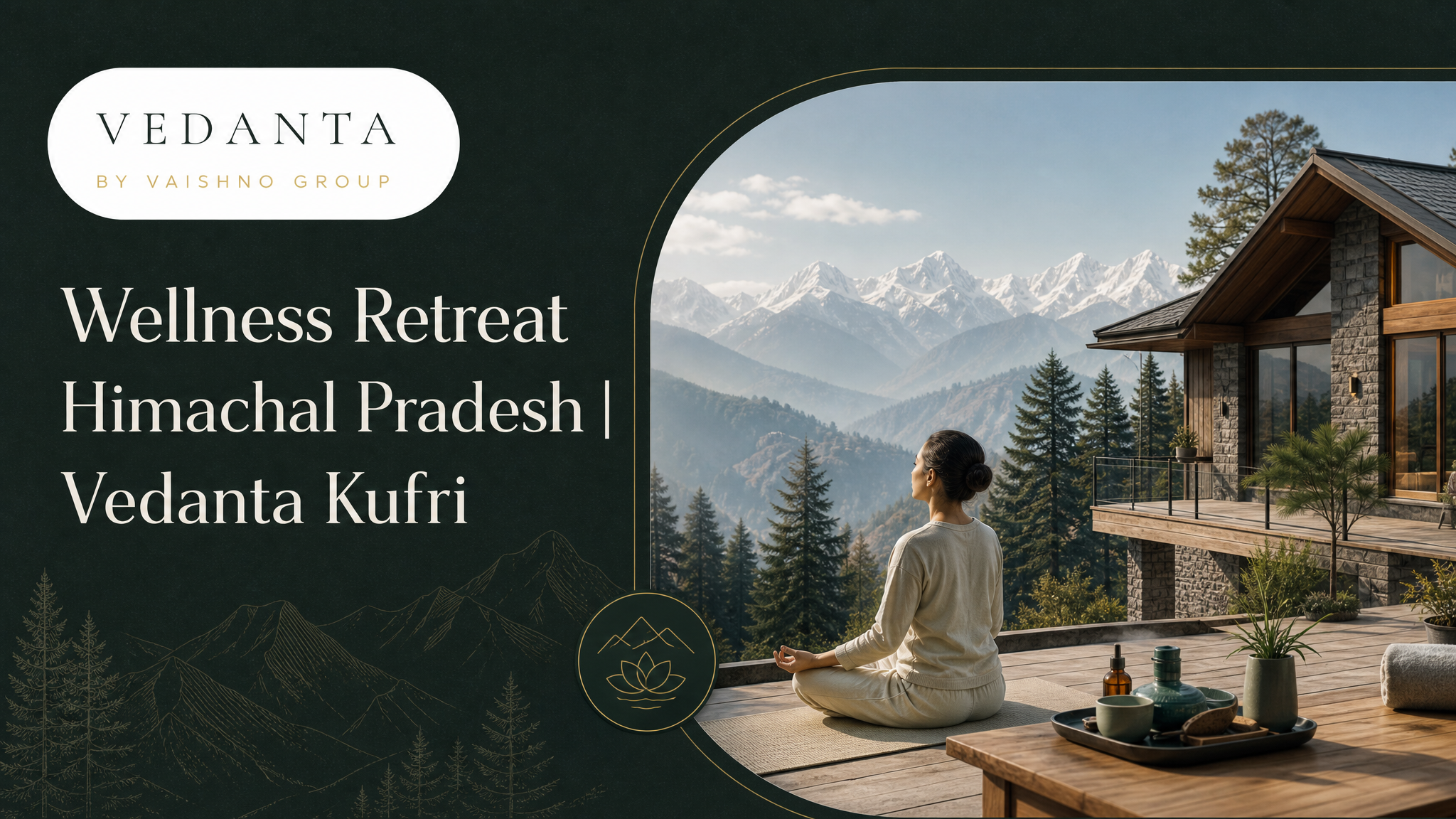
Wellness Retreat Himachal Pradesh | Vedanta Kufri
Discover Vedanta's wellness retreat and medical wellness centre in Kufri — mountain-air therapy, guided programs, and villa stays for a true Himalayan reset.
Why Kufri's Elevation and Clean Air Matter for Wellness. The physiological case for altitude and clean air isn't marketing language — it's fairly well documented. Moderate elevation, lower particulate pollution, and cooler ambient temperatures are associated with improved sleep architecture, reduced cortisol reactivity, and better appetite regulation. Bodies under chronic low-grade stress from urban noise, heat, and air pollution tend to respond measurably when those stressors are simply removed, rather than masked with a treatment. There's research on how altitude and clean air affect sleep and stress (https://pmc.ncbi.nlm.nih.gov/articles/PMC8125471/) that backs this up in more clinical detail than any spa brochure will.
Kufri sits well above the haze line that settles over most Himachal towns in peak season. The air here is genuinely different — thinner, cooler, and largely free of the vehicle and construction pollution that follows tourist routes lower in the valley. That's a hard thing to manufacture. A hotel in central Shimla can build a beautiful spa, but it cannot relocate itself 2,500 metres up a mountain. This is the part of Vedanta's wellness offering that's tied to the land itself, not to a service menu — which is exactly why it's difficult for other Kufri properties to replicate, however good their treatment lists are. It sits alongside the broader case for why Kufri is the quietest escape from Shimla (https://www.vedantabyvaishnogroup.com/blogs/why-kufri-is-the-quietest-escape-from-shimla), where the same elevation and distance from the highway do a lot of the work before any program even begins.
What Makes This a Medical Wellness Centre, Not Just a Spa. The distinction matters, so it's worth being precise about it. A spa menu is à la carte: you pick a massage, a facial, maybe a soak, and each is self-contained, unconnected to any assessment of what your body actually needs. A medical wellness centre works from the other direction. It starts with some form of health assessment — sleep patterns, stress markers, digestion, mobility — and builds a short, structured program around what that assessment shows, guided by a practitioner rather than a treatment list.
That's the model behind the medical wellness centre Kufri guests will encounter at Vedanta: less about picking services, more about following a protocol designed for a specific outcome over a specific number of days. It's a distinction the team has written about at more length in wellness in the mountains, beyond the spa menu (https://www.vedantabyvaishnogroup.com/blogs/wellness-in-the-mountains-beyond-the-spa-menu), which lays out why a treatment list alone rarely produces the kind of reset guests are actually looking for. The programs planned for Vedanta are built on that same premise: assessment first, structured protocol second, à la carte treatment as an occasional add-on rather than the whole offering.
Planned Programs and Wellness Philosophy. The guiding philosophy behind the centre is slow living rather than intensive intervention — the goal isn't to push guests through a packed schedule of treatments, but to strip activity back to what the body and mind actually need at altitude: sleep, real food, movement, and stretches of unstructured quiet. Programs are being designed in consultation with medical and wellness practitioners rather than assembled from a generic wellness-industry template, which is what separates a structured protocol from a marketing exercise.
Three categories of programs are currently planned, each with a defined duration and format rather than an open-ended "wellness package."
Reset & Detox Stays. A short-format program, typically 3 to 5 nights, built around digestive reset and nutrition. Meals are adjusted toward lighter, plant-forward, easily digested food; alcohol and processed food are removed from the itinerary entirely for the duration; and the first day or two are built around clean-air acclimatisation — allowing the body to adjust to elevation before any activity is layered in. This is less a detox in the juice-cleanse sense and more a structured pause: fewer inputs, more digestion, more rest.
Sleep & Stress Recovery Programs. Aimed at guests carrying chronic sleep debt or sustained work stress, this program leans on the two things Kufri offers that a city can't: elevation and silence. The structure is deliberately simple — consistent wake and sleep times, reduced screen exposure in the evenings, and a room environment engineered specifically for quiet. That environmental design isn't incidental; it's a core part of how the villas themselves are built, as covered in how Vedanta's villas are designed for silence (https://www.vedantabyvaishnogroup.com/blogs/designing-for-silence-inside-a-himalayan-villa). A sleep-focused program only works if the room it happens in is actually silent, and that's been a design consideration from the ground up rather than an afterthought.
Movement, Breathwork & Guided Practice. Yoga, pranayama, and guided outdoor movement sessions round out the program structure, adapted specifically for mountain terrain and altitude rather than a standard resort yoga class. Breathwork sessions are paced differently at elevation than at sea level — something a guided practitioner accounts for, and something a self-directed guest doing sun salutations off a YouTube video wouldn't necessarily know to adjust for. Outdoor movement sessions take advantage of the cedar forest trails around the property rather than confining practice to an indoor studio.
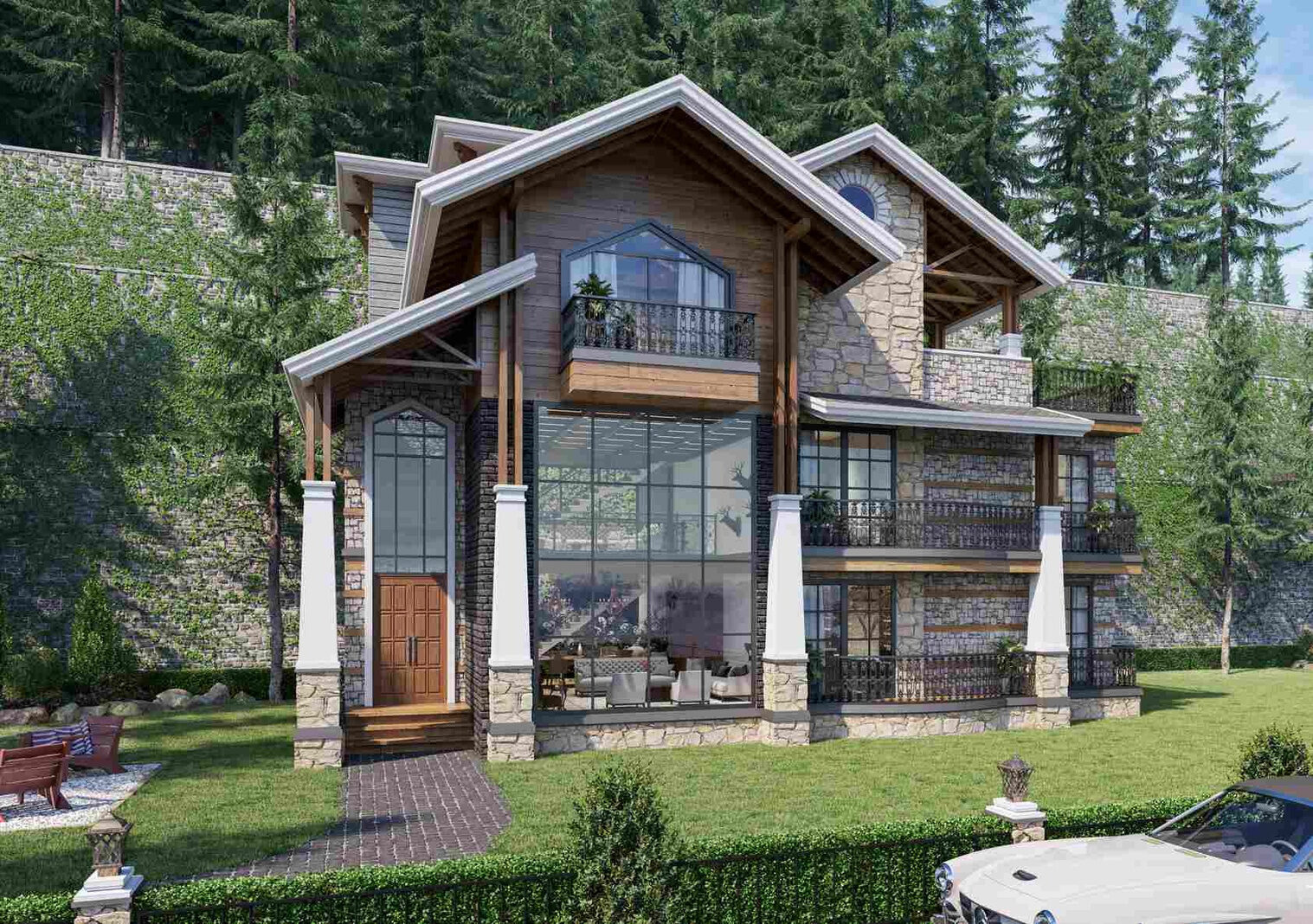
How the Wellness Centre Complements the Private Villa Stay. The model here isn't a shared clinical facility that guests visit on a schedule alongside strangers. It's built to layer onto Vedanta's private villa residences (https://www.vedantabyvaishnogroup.com/luxury-villas-in-kufri) — guests book their own villa, and wellness programs are delivered into that private space, rather than guests being moved into a communal wellness building.
That matters for two reasons. First, privacy: a guest doing a sleep-recovery program doesn't want to share a corridor with a dozen other guests on the same protocol. Second, it means the wellness centre doesn't require guests to choose between a private stay and a structured program — they get both, with practitioners and assessments coming to the villa environment rather than the guest being pulled out of it. It's a model that keeps the offering premium by design, not by price alone: it takes more coordination to deliver a medical-wellness program into a private villa than to run a shared spa floor, and that difficulty is part of what makes it hard to copy.
Himalayan Wellness Stay: What a Typical Visit Looks Like. A typical Himalayan wellness stay at Vedanta runs somewhere between four and seven nights, though shorter reset stays and longer recovery programs are both accommodated. It generally starts with an arrival day built around nothing more than settling in and acclimatising to the altitude — no programming, no assessment, just rest after the journey up.
Day two typically opens with a wellness assessment: a conversation with a practitioner about sleep, stress, digestion, and what the guest is actually hoping to get out of the stay, which shapes the specific protocol for the remaining days. From there, the days follow a rhythm rather than a packed itinerary — a morning movement or breathwork session, a structured mealtime, a block of guided rest or a nature walk in the afternoon, and an evening wind-down built around the sleep protocol. The last day is left deliberately light, giving guests time to notice the difference between how they felt on arrival and how they feel leaving.
Season matters more here than at a typical hotel stay, since outdoor movement and clean-air acclimatisation are core parts of the program rather than optional extras. Guests planning a wellness visit should look at the best time to visit Kufri for a private stay (https://www.vedantabyvaishnogroup.com/blogs/best-time-to-visit-kufri-for-a-private-stay) before booking — spring and early autumn tend to offer the clearest air and mildest temperatures for outdoor sessions, while winter stays lean more toward indoor movement and sleep-focused programming given the snow.
Why This Is Different From Other Kufri Wellness Offerings. Most hotels in Kufri, like most hotels anywhere in Himachal, offer a spa menu: a list of massages and treatments a guest can book independently of any assessment or ongoing protocol. There isn't currently a comparable medically-grounded wellness centre in the area built specifically around elevation, clean air, and structured programs rather than treatment lists — which puts Vedanta's planned offering in a different category rather than simply a nicer version of the same thing.
That gap is worth being specific about, because it's not a claim of being "better" in some vague sense — it's a difference in what's actually being evaluated. The design criteria behind this centre are practitioner involvement (programs guided by qualified staff, not just booked treatments), program structure (a defined arc over several days, not standalone services), and location-driven benefit (elevation and air quality that a hotel in the town centre simply doesn't have access to). Those three things, together, are hard to assemble quickly — which is exactly what makes this a category gap rather than a marketing distinction.
Frequently Asked Questions.
Is this a hospital or clinic? No. It's a wellness centre, not a medical treatment facility for illness or disease. Guests work with wellness practitioners on structured programs around sleep, stress, digestion, and movement — not clinical diagnosis or treatment of medical conditions. Anyone with an existing medical condition should consult their own doctor before booking.
Do I need a referral or an existing medical condition to attend? No referral is needed, and there's no requirement to have a diagnosed condition. Most guests come simply because they want structured rest, better sleep, or a genuine reset — the assessment on day one is about understanding what you want out of the stay, not gatekeeping who can attend.
Can programs be combined with a villa stay? Yes — that's the model. Programs are designed to layer onto a private villa booking rather than requiring guests to stay in a separate shared facility. You book the villa, then add the wellness program on top, with practitioners and sessions delivered into that private setting.
What is the best season for a wellness stay? Spring and early autumn generally offer the clearest air and most comfortable temperatures for outdoor movement and acclimatisation. Winter stays are still possible and suit sleep- and stress-focused programs well, though outdoor sessions shift indoors given the snow.
Are programs suitable for beginners to yoga or breathwork? Yes. Sessions are guided by a practitioner and adapted to the individual guest's experience level and how their body is responding to altitude — there's no assumption of prior practice, and pacing is adjusted accordingly.
For anyone weighing a stay against specific dates or a particular program focus, it's worth reaching out directly to enquire about wellness retreat programs (https://www.vedantabyvaishnogroup.com/contact) — details on duration, practitioner availability, and villa pairing are easiest to work through in a direct conversation.